On this page
- Which makeup course is best for beginners?
- What should a makeup course curriculum include?
- Are the demonstrations and practice good enough?
- How do you evaluate the makeup instructor and feedback?
- What does the course really cost?
- What do certificate, certification, accreditation, and license mean?
- How should you compare an online makeup academy?
- Are free online makeup courses enough?
- How should parents choose a class for a teen?
- Ten questions to ask before you enroll
- What outcome should the course promise?
- A beginner option for teens ages 11–17
- Frequently Asked Questions
The best online makeup courses for first-time learners match the learner’s goal, teach essential skills in a clear order, show close demonstrations, and state the real cost before checkout. A personal course and a professional makeup artist program solve different problems, so decide which result you need before comparing schools.
Quick answer: check eight things:
- Personal skills or professional training
- A complete beginner syllabus
- Clear video demonstrations and hands-on practice
- A verifiable teacher
- Useful feedback or question support
- Access time, captions, and device requirements
- Tuition plus cosmetics, brushes, and kit costs
- Refund, certificate, recognized status, and license claims
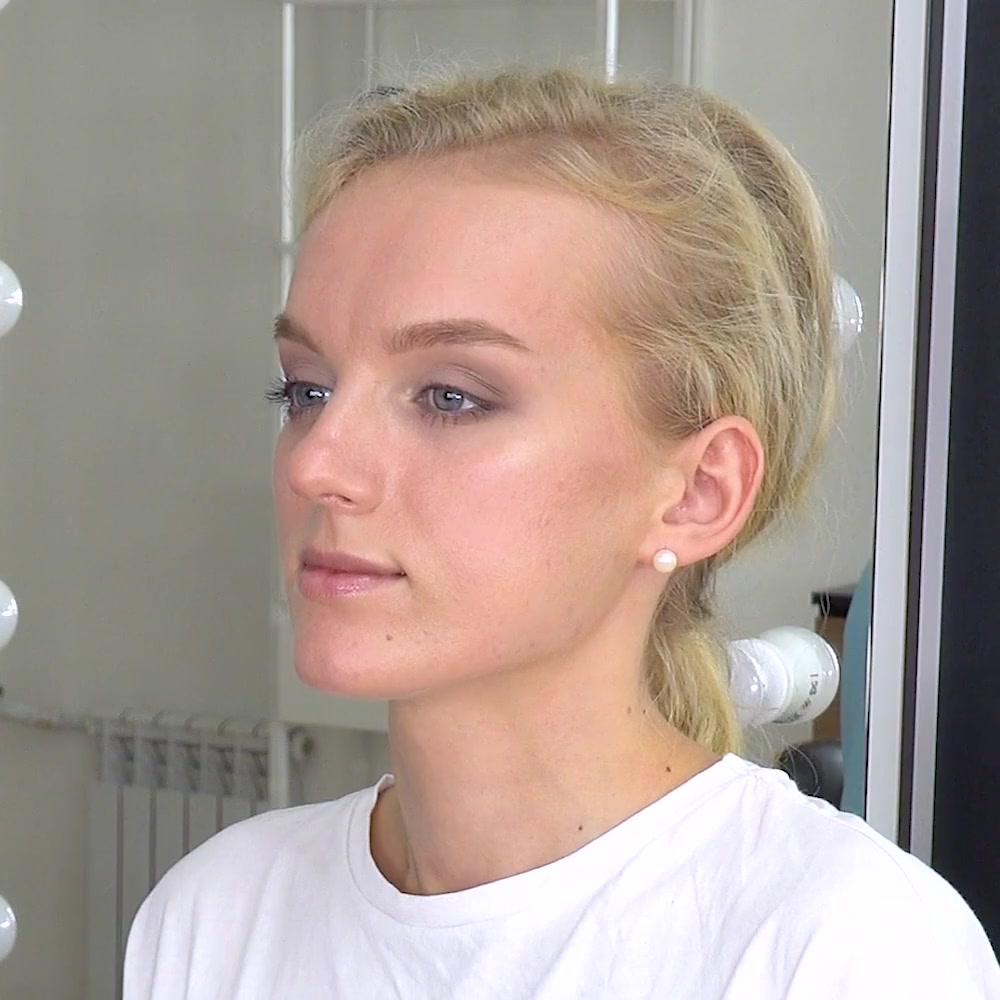
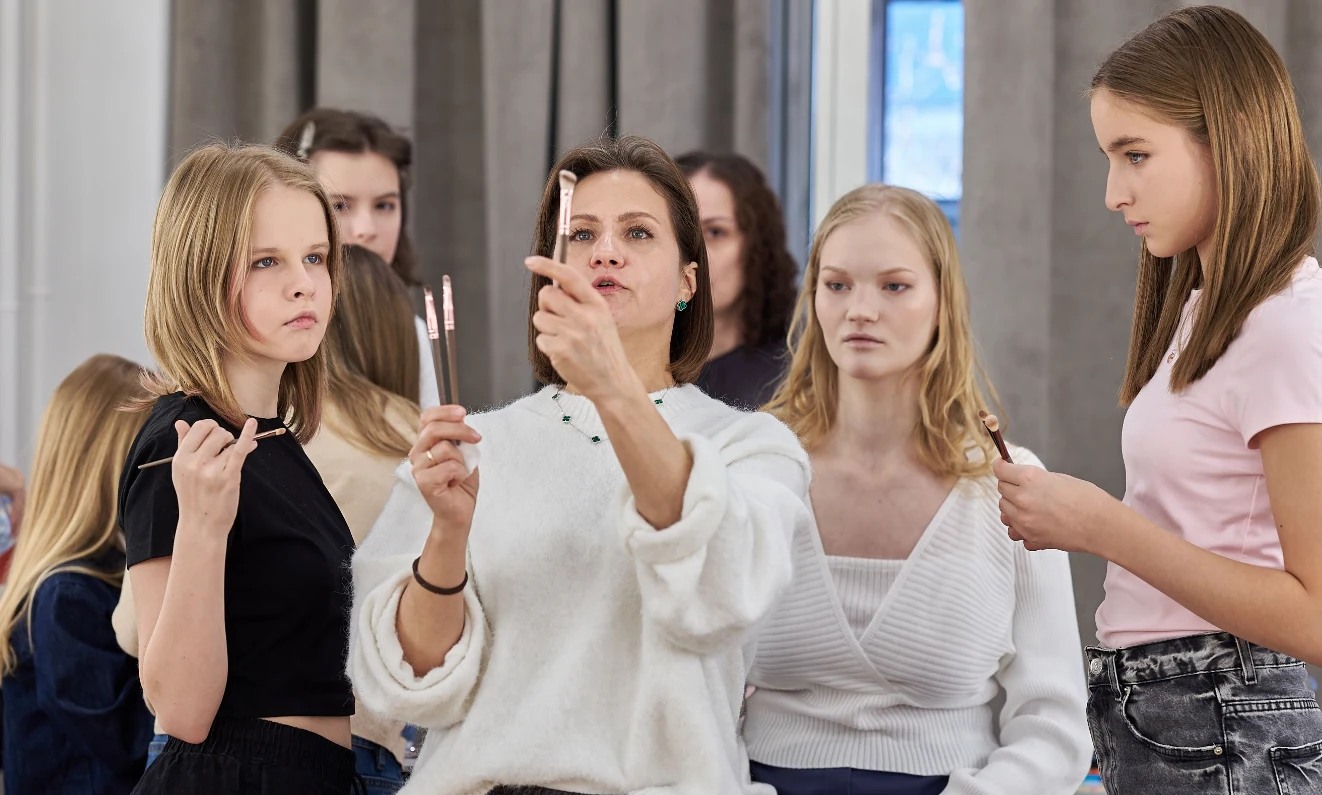
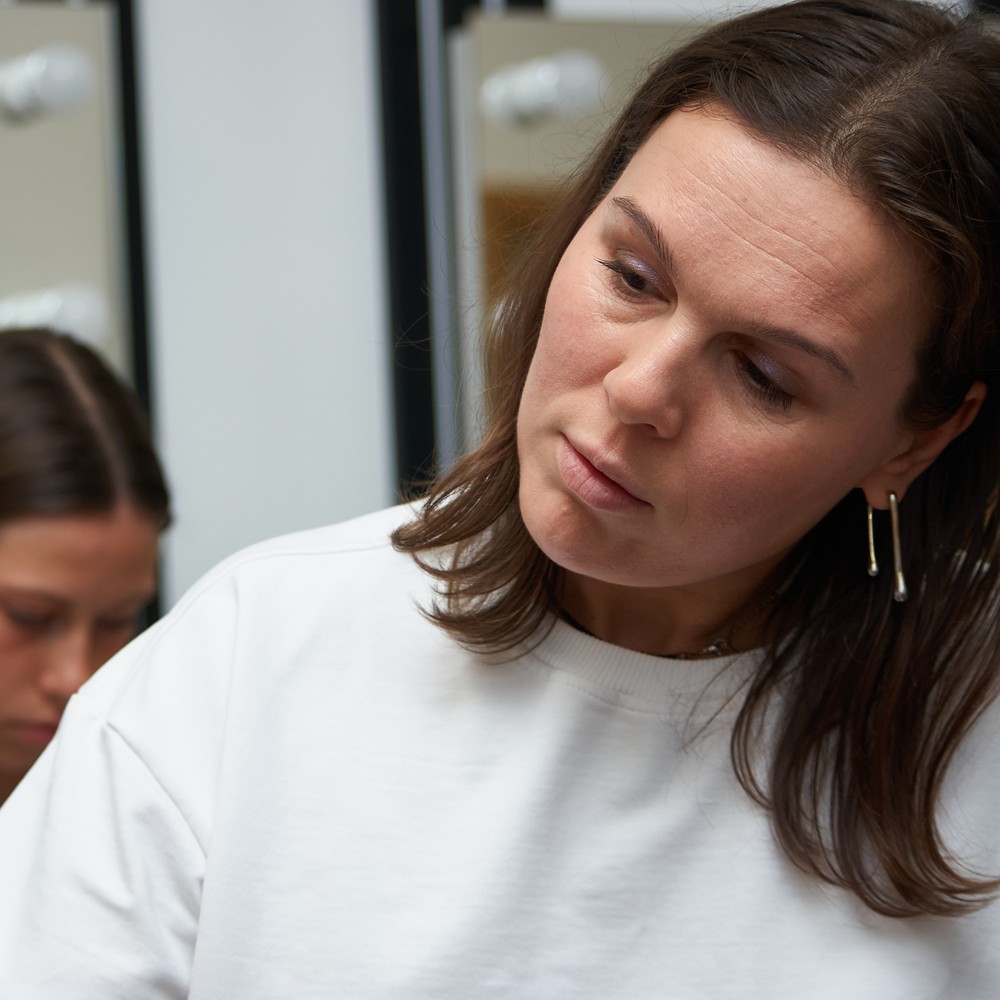
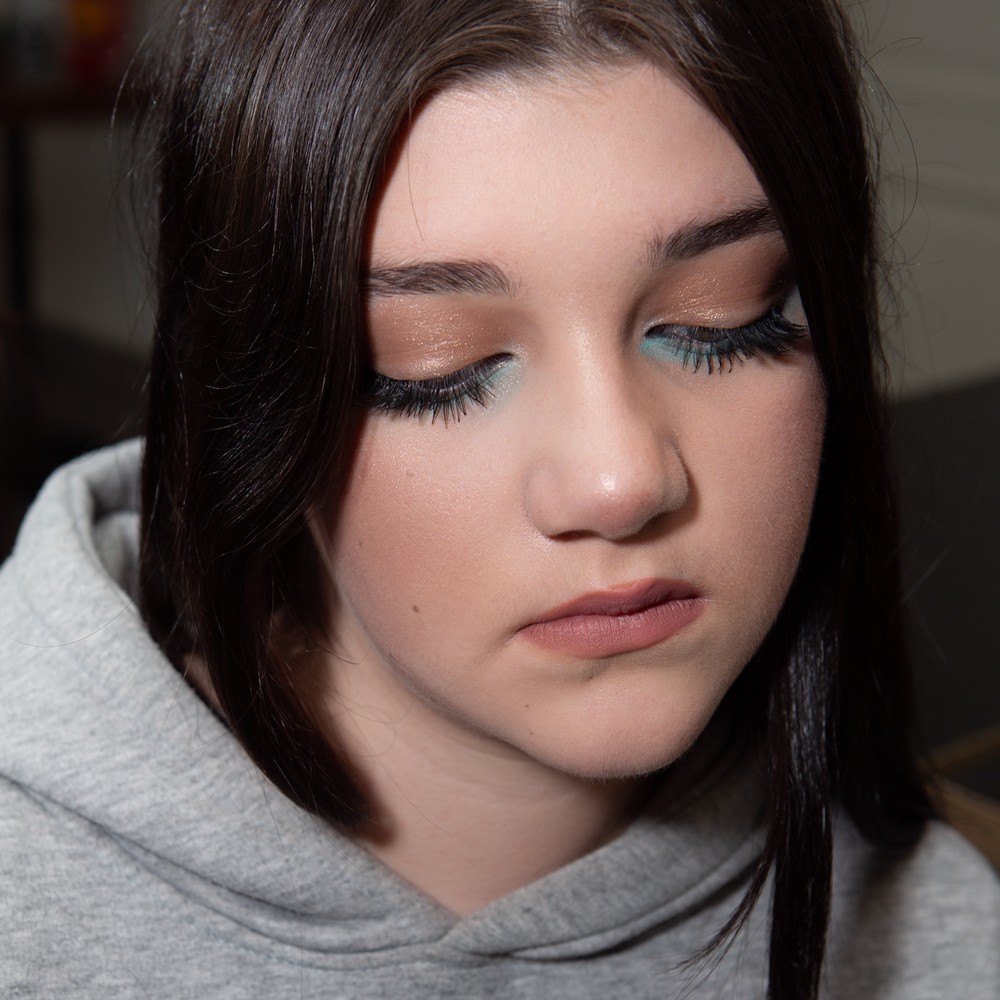
The photos below show real Oh!Nice SPACE teaching and practice settings. They illustrate the course qualities discussed in this guide—clear explanations, supervised practice, usable tools, feedback, and a visible result. They are not screenshots of an online platform or proof that we tested every academy in search results.

Which makeup course is best for beginners?
Start by completing this sentence: “By the end, I want to be able to ___.” Someone learning a reliable day look needs different education from an aspiring make-up artist planning a career.
| Goal | Best-fit format | Main thing to verify |
|---|---|---|
| Personal daytime and event looks | Self-paced online course | Basics, replay access, modest supply list |
| One specific technique | Short tutorial or workshop | Close demonstration and focused practice |
| Regular correction | Live group or one-to-one class | Instructor feedback and class size |
| Career makeup artistry | Structured makeup school | Model practice, assessment, portfolio, credential claims |
| Exploring before paying | Free video tutorials | Teaching clarity, safety, and a logical sequence |
A personal beauty class can be useful without offering certification. Career training may cover bridal makeup, fashion, SFX, or business skills, but it should never imply that one document creates a license or guarantees work.
What should a makeup course curriculum include?
A useful lesson plan moves from control and hygiene to complete looks:
- Clean hands, clean brushes, product hygiene, and eye safety
- Tools and brush shapes
- Skin preparation and product layering
- Foundation, concealer, shade matching, and undertones
- Eyebrow shaping and face proportions
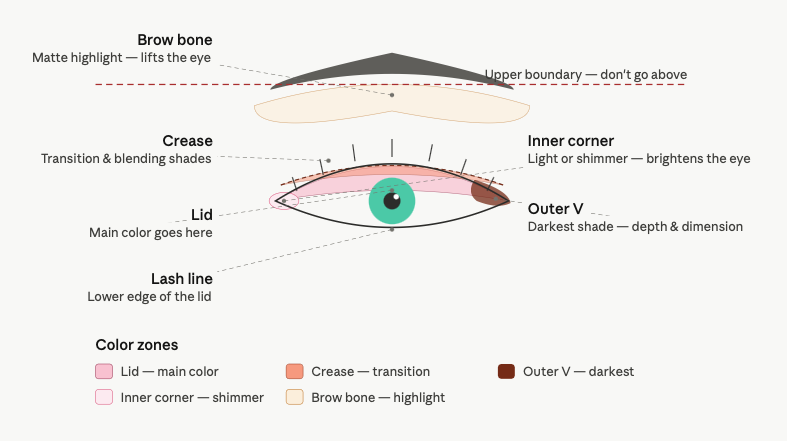
- Eye makeup, eyeshadows, blending, mascara, and optional liner
- Blush, contour or bronzer, lips, and removal
- A wearable daytime look before glamorous or advanced work
- Practice tasks that combine the skills
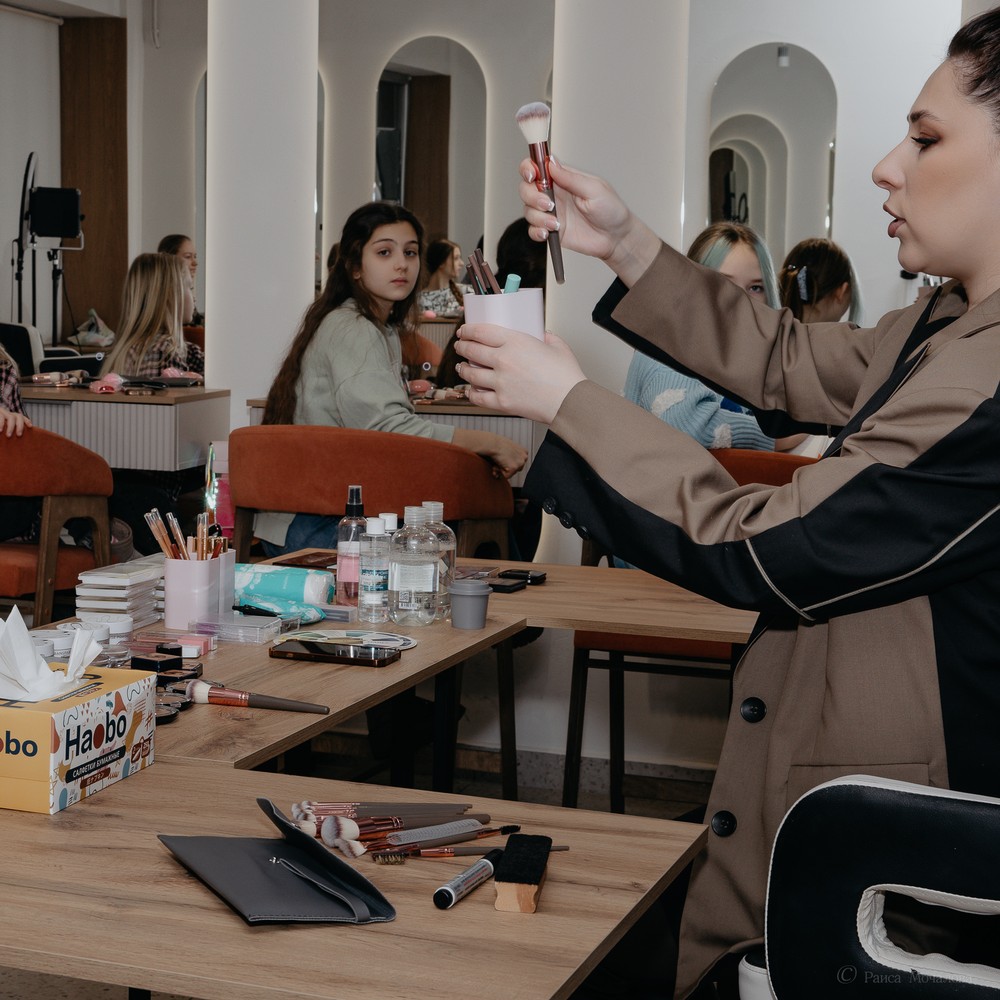
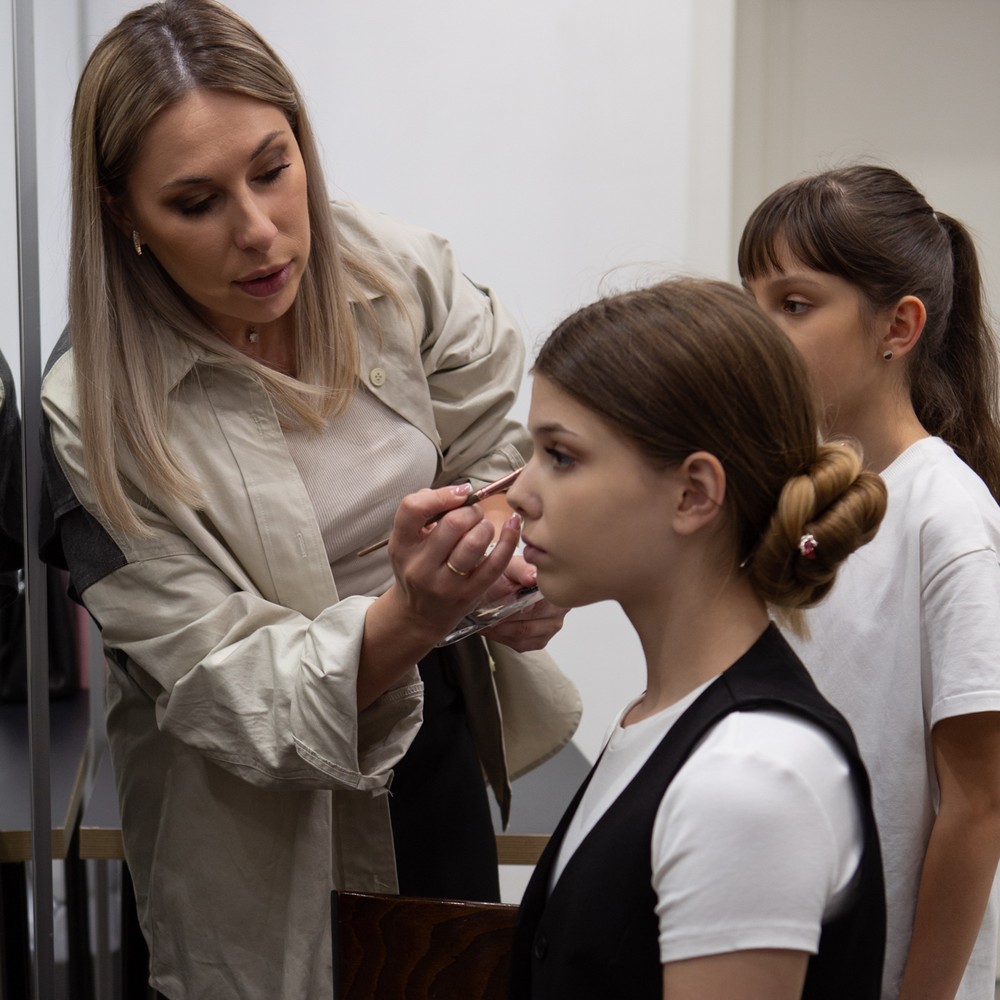
Do not judge depth by the number of modules. A high-quality lesson explains product amount, brush angle, placement, and common mistakes. The learner should be able to repeat the make-up application without copying every movement.
Are the demonstrations and practice good enough?
The camera should replace the view beside a tutor. Check whether you can see texture and placement, pause, replay, change speed, and use captions. Short chapters make it easier to refine one skill.
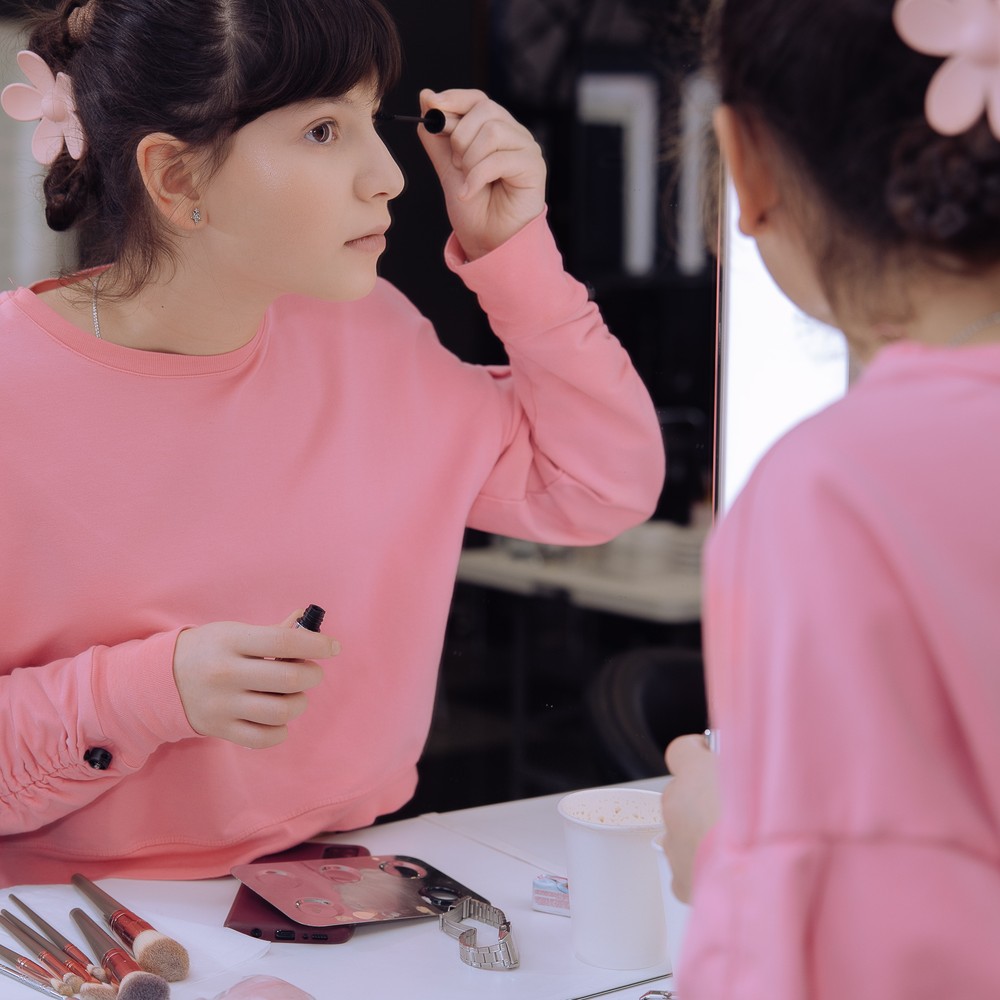
Practice separates education from entertainment. A strong class says what to practice, what success looks like, and how to review the result. Without live feedback, an online student can photograph each attempt in similar lighting and compare symmetry, blending, and control.
How do you evaluate the makeup instructor and feedback?
Look for a real name, relevant industry experience, work examples, and a teaching style you can follow. Professional work does not automatically mean someone can teach makeup. A good teacher explains choices, shows corrections, and offers options for different skin tones and features.
Ask who answers questions, how work is submitted, whether video feedback is included, and how long support lasts. Recorded personal makeup lessons can work without private critique; professional training should explain how practical skills are assessed.
For a teen, parents should also review community privacy. A student should not have to post a face publicly to receive basic help.
What does the course really cost?
Add tuition, required cosmetics, brushes, disposables, shipping, subscriptions, assessments, and optional certificate fees. A first-time learner rarely needs a large professional kit for personal lessons. The supply list should identify essentials and allow reasonable substitutes when technique does not depend on one brand.
| Cost question | Why it matters |
|---|---|
| One-time price or subscription? | A low monthly price can cost more over time |
| Is a makeup kit included? | Required products may exceed tuition |
| Is feedback extra? | The advertised price may omit the feature you need |
| How long is access? | “Online” does not always mean lifetime access |
| What are refund conditions? | You need them before opening the lessons |
The Federal Trade Commission recommends checking costs, teacher qualifications, complaint history, and refund terms when evaluating vocational or certificate programs. Those checks also help with a lower-cost online beauty course.
What do certificate, certification, accreditation, and license mean?
These terms are different:
- A completion certificate records that a learner finished a course.
- Professional certification may show that a private organization assessed standards.
- Accreditation is formal recognition of an institution or program by an accrediting body.
- A license is government permission required for certain work in a location.
Do not assume an online certificate lets you become a certified makeup artist everywhere. Verify the relevant local authority if your goal is paid work. The FTC advises skepticism toward guaranteed success and quick-income claims.
How should you compare an online makeup academy?
Search results may show Vizio Makeup Academy, QC Makeup Academy, Master Makeup Online, or April Love Pro Makeup Academy. Their appearance is not our recommendation or ranking, and we have not tested those providers. Programs, prices, tutors, and claims can change.
Record the same facts for every option: lesson outline, teacher, demonstration, practice, feedback, kit, total price, access, refund policy, certificate wording, and business contact. You can also search the provider’s name with “reviews,” “complaints,” and “refund.” The Better Business Bureau may add context for U.S. businesses, but no single review platform proves quality.
Red flags include a hidden instructor, vague modules, a countdown timer that resets, unclear recurring charges, an expensive mandatory kit without an itemized list, or career and accredited makeup claims without evidence.
Are free online makeup courses enough?
Free content is useful when you want one technique or want to test an instructor’s pace. There is no single best free online makeup course: one playlist may teach eyeshadow well but omit hygiene or foundation.
Store lessons also change. If you search “Are Sephora makeup lessons free?”, check the current official booking page for price, age rules, and whether the appointment is education or a product service. An old article cannot confirm current availability.
Pay for structure when you want connected lessons, consistent language, assignments, progress tracking, or feedback—not simply because the video says “master makeup like a pro.”
How should parents choose a class for a teen?
Review the age range, teacher, topics, community privacy, total supply cost, access, support, and refund terms together. The program should teach confident makeup skills without claiming that skin texture or natural features must be hidden.
The FDA advises using only products intended for the eye area, keeping cosmetics and applicators clean, and stopping use if irritation occurs. A teen course should reinforce safe habits.
Ten questions to ask before you enroll
- Who teaches the class, and what is their experience?
- Can I see the full curriculum and a sample lesson?
- Is it for personal skills or makeup artistry careers?
- Which products and brushes are required?
- Is a kit included?
- How long does access last?
- Who provides feedback?
- What exactly does the certificate represent?
- What is the full price, including recurring fees?
- What are the cancellation and refund conditions?
Transparency is part of the product. When two programs look similar, prefer the one that answers these questions clearly.
What outcome should the course promise?
A flexible online makeup program should promise only what its lessons and assessment can support. Personal online beauty courses may help someone who has always wanted to learn makeup create several wearable makeup looks. The student should understand fundamental make-up techniques, control pigment, follow a routine step by step, and use the new skill set confidently. “Perfect foundation” or instant glam should be a practice goal, not a guaranteed result.
An online makeup school aimed at careers should list the skills needed to graduate, the real-world practice provided, and any area in which students specialize. If it offers a certification course, the provider should explain the makeup certification and who recognizes it. People who aspire to professional work need professional techniques, not insider slogans.
The best makeup education is specific: who will teach makeup, what students will practice, and how progress will be checked. Avoid a pro makeup claim that promises career success without evidence.
Compare online courses by substance. Online makeup education for the beauty industry should connect brow and complexion basics with make-up artistry practice. A professional make-up program in the broader field of makeup artistry should also state whether any recognized body accredits it; do not accept “accredit” as a claim without the body’s name.
A beginner option for teens ages 11–17
Oh!Nice SPACE offers self-paced Makeup Classes for Teens for personal skills. The current course page offers two separate self-paced courses for ages 11–17: Day Makeup and Evening Makeup, each $15. Both are standalone and include the complete beginner foundation. The page also lists eight modules, instant access, a tools-and-materials list, and a 7-day money-back guarantee. Instructor Svetlana covers skin preparation, tools, foundation, undertones, eye shapes, color, contouring, eyeliner, and removal.
The page does not present either course as government licensure or an accredited professional qualification. Check the live page for its current syllabus, price, access, and checkout terms.
Frequently Asked Questions
Which makeup course is best for beginners?
The best beginner course matches your goal and starts with tools, hygiene, skin preparation, complexion, color, and simple eye techniques before advanced looks. Choose a course with clear demonstrations, practice assignments, transparent costs, and support appropriate to the learner's age and needs.
Can I learn makeup online as a complete beginner?
Yes. Video lessons can work well for foundational personal makeup skills when you can pause, replay, and practice each technique. Progress still depends on regular hands-on practice, suitable products, and feedback or self-review.
What should a beginner makeup curriculum include?
Look for hygiene, tools, skin preparation, shade and undertone basics, light complexion work, brows, eyeshadow blending, mascara or liner, cheeks, lips, removal, and at least one complete day look. The lessons should move from simple skills to complete looks.
Do I need a makeup kit before starting an online course?
Usually you need some products and clean tools, but a large professional kit should not be assumed. Check the exact supply list, what the tuition includes, and whether you can use products you already own before buying anything.
Does an online makeup certificate make me a licensed makeup artist?
Not automatically. A completion certificate, professional certification, accreditation, and a government license are different things. Requirements vary by location and work type, so verify local rules and the program's exact claims before enrolling for a career goal.
How should a parent evaluate an online makeup class for a teen?
Review the age range, curriculum, instructor identity, product and hygiene guidance, privacy and community features, total cost, access period, support, and refund terms together. Make sure the course teaches age-appropriate skills without promising guaranteed careers or results.